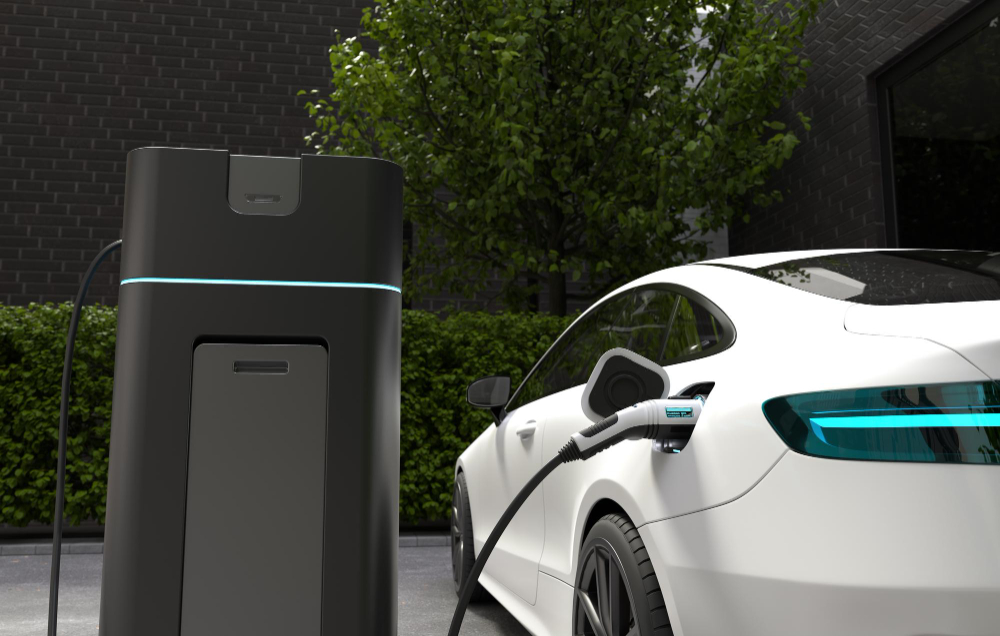
Electric vehicles are evolving at an unprecedented pace. In this comprehensive guide, we explore the latest advancements in EV technology, upcoming models from major manufacturers, and what these changes mean for consumers and the automotive industry.
Battery Technology Breakthroughs
The heart of any electric vehicle is its battery, and 2026 promises significant advancements in this area. Manufacturers are moving beyond traditional lithium-ion batteries to explore solid-state technology, which offers higher energy density, faster charging times, and improved safety.

New solid-state battery technology promises longer ranges and faster charging
Major automakers like Toyota, Ford, and Volkswagen are investing billions in battery research. The goal is to achieve ranges exceeding 500 miles on a single charge while reducing charging times to under 15 minutes for an 80% charge.
Key Battery Advancements for 2026:
- Solid-state batteries entering production
- 50% increase in energy density
- 30% reduction in charging time
- Improved cold weather performance
- Extended battery warranties (10+ years)
Charging Infrastructure Expansion
The availability of charging stations remains a critical factor in EV adoption. In 2026, we expect to see a massive expansion of charging infrastructure, particularly fast-charging networks along major highways and in urban centers.
Companies like Electrify America, Tesla's Supercharger network (now open to other brands), and ChargePoint are leading this charge. The US government's National Electric Vehicle Infrastructure (NEVI) program will fund the installation of 500,000 new chargers nationwide.
Charging Speed Comparison
Level 2 charging (240V) typically adds 25-30 miles of range per hour, while DC fast charging can add 200+ miles in 30 minutes. New ultra-fast chargers being deployed in 2026 promise 100 miles of range in just 5 minutes.
2026 Electric Vehicle Models
Every major automaker now has electric vehicles in their lineup, and 2026 brings exciting new models across all price points:
Most Anticipated EVs for 2026:
- Tesla Model 3 Highland: Complete refresh with improved range
- Chevrolet Equinox EV: Affordable electric SUV starting under $30,000
- Ford F-150 Lightning: Enhanced battery options and towing capacity
- Rivian R2: More affordable compact SUV from the startup
- Hyundai Ioniq 6: Sleek sedan with 350+ mile range

The 2026 Hyundai Ioniq 6 offers both style and exceptional range
Government Incentives and Policies
Government support continues to play a crucial role in EV adoption. The Inflation Reduction Act in the US provides up to $7,500 in tax credits for qualifying electric vehicles, with specific requirements for battery sourcing and manufacturing.
European countries are implementing even more aggressive policies, with several nations planning to ban sales of new internal combustion engine vehicles by 2030 or sooner.
Environmental Impact Assessment
While EVs produce zero tailpipe emissions, their overall environmental impact depends on electricity generation and battery production. As renewable energy sources expand and battery recycling improves, the carbon footprint of EVs continues to decrease.
A 2026 study found that over their lifetime, EVs produce 60-70% fewer emissions than comparable gasoline vehicles, even when accounting for manufacturing and electricity generation.
Future Trends and Predictions
Looking beyond 2026, several trends will shape the future of electric vehicles:
Vehicle-to-Grid (V2G) Technology: EVs will be able to send power back to the grid during peak demand, creating a distributed energy network.
Autonomous Driving Integration: Electric platforms are ideal for autonomous vehicles, with several companies planning robotaxi services using EVs.
Subscription Models: Rather than traditional ownership, more consumers may opt for EV subscriptions that include maintenance, insurance, and charging.
Expert Prediction:
"By 2030, we expect 50% of all new vehicles sold globally to be electric. The transition is happening faster than most analysts predicted, driven by improving technology, falling costs, and strong consumer demand."
- Dr. Sarah Johnson, Automotive Industry Analyst



Sarah Johnson
March 16, 2026 at 2:30 PMGreat article! I've been considering an EV for my next car, and this really helped me understand what to expect. The battery advancements are particularly exciting. Do you think solid-state batteries will be affordable for mainstream EVs by 2025?
ReplyMichael Chen (Author)
March 16, 2026 at 3:45 PMThanks for your question, Sarah! Solid-state batteries are currently in pilot production and should start appearing in premium vehicles by late 2026. For mainstream affordability, I'd estimate 2026-2027 as the timeframe when costs become competitive with current lithium-ion batteries.
ReplyRobert Davis
March 15, 2026 at 10:15 AMExcellent overview of the EV landscape. I'm particularly interested in the charging infrastructure development. Living in a rural area, range anxiety is my biggest concern. Are there any programs specifically targeting charging stations in less populated areas?
Reply