
After a long winter, your garden is ready to burst back to life. Spring garden preparation is crucial for setting the stage for a successful growing season. Whether you're a seasoned gardener or just starting out, this comprehensive guide will help you get your garden ready for spring.
1. Assess Winter Damage
The first step in spring garden preparation is to assess any damage that occurred during the winter months. Walk through your garden and look for:
- Broken branches on trees and shrubs
- Heaving of perennials due to frost
- Erosion in garden beds
- Damage to garden structures and borders
Make a list of repairs needed and prioritize them based on urgency. Addressing winter damage early prevents further problems as the growing season progresses.
Pro Tip:
Wait until the soil is no longer soggy before working in your garden. Working wet soil can lead to compaction and damage soil structure.
2. Clean Up Debris
Remove all winter debris from your garden beds and lawn. This includes:
- Fallen branches and twigs
- Dead leaves and plant material
- Old mulch that has compacted
- Any protective winter coverings
Clearing debris allows sunlight to reach the soil and helps prevent pests and diseases from overwintering in your garden.
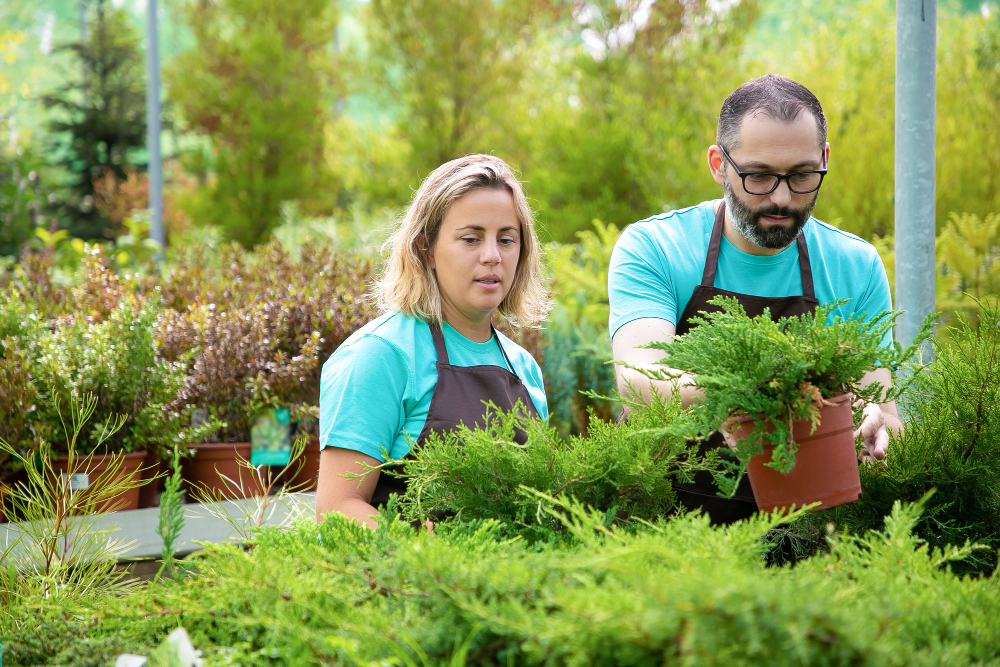

3. Soil Preparation and Testing
Healthy soil is the foundation of a successful garden. Spring is the ideal time to prepare your soil:
Soil Testing
Consider testing your soil's pH and nutrient levels. Most garden centers offer soil testing kits, or you can send samples to a local extension service. The ideal pH for most plants is between 6.0 and 7.0.
Amending Soil
Based on your soil test results, add necessary amendments:
- Compost: Add 2-3 inches of compost to improve soil structure and fertility
- Organic Matter: Incorporate well-rotted manure or leaf mold
- pH Adjusters: Use lime to raise pH or sulfur to lower it
- Fertilizers: Apply a balanced, slow-release fertilizer
Important Note:
Always follow package instructions when applying soil amendments and fertilizers. Over-application can harm plants and contribute to environmental pollution.
4. Pruning and Trimming
Proper pruning encourages healthy growth and flowering:
Perennials
Cut back dead growth from last season. Leave about 2-3 inches of stem to mark the plant's location.
Shrubs
Prune spring-flowering shrubs after they bloom. Summer-flowering shrubs can be pruned in early spring.
Trees
Remove dead, damaged, or crossing branches. Early spring is ideal for pruning most trees before new growth begins.
5. Mulching
Apply a fresh layer of mulch to your garden beds. Mulch provides numerous benefits:
- Conserves soil moisture
- Suppresses weeds
- Regulates soil temperature
- Adds organic matter as it decomposes
Apply 2-3 inches of mulch, keeping it away from plant stems to prevent rot. Organic mulches like shredded bark, wood chips, or straw are excellent choices.
6. Planting Schedule
Timing is everything in spring planting. Follow this general schedule:
| When to Plant | What to Plant | Notes |
|---|---|---|
| Early Spring (4-6 weeks before last frost) | Cool-season vegetables (lettuce, peas, spinach), pansies, snapdragons | Use cold frames or row covers for protection |
| Mid-Spring (2-4 weeks before last frost) | Broccoli, cabbage, carrots, onions, hardy perennials | Monitor weather for late frosts |
| After Last Frost | Tomatoes, peppers, beans, corn, annual flowers | Check local frost dates |
7. Lawn Care
Don't forget your lawn in spring garden preparation:
- Raking: Remove thatch and winter debris
- Aeration: For compacted soil, aerate to improve oxygen and water penetration
- Overseeding: Fill in bare spots with grass seed
- Fertilizing: Apply a spring lawn fertilizer
- First Mow: Mow when grass reaches 3 inches, removing only the top third
Conclusion
Spring garden preparation sets the foundation for a successful growing season. By following these steps—assessing damage, cleaning up, preparing soil, pruning, mulching, and planning your planting schedule—you'll create optimal conditions for your plants to thrive.
Remember that gardening is both an art and a science. Observe your garden's unique conditions and adjust your approach accordingly. With proper spring preparation, you'll be rewarded with a beautiful, productive garden throughout the growing season.






Sarah Johnson
March 18, 2026This guide is incredibly helpful! I've been gardening for years but always seem to forget something in spring. The soil testing tip is something I've neglected but will definitely do this year. Thanks for the comprehensive guide!
Michael Chen
March 17, 2026Great article! I especially appreciate the planting schedule table. As a new gardener, timing has always been confusing for me. Would you recommend any specific soil testing kits for home use?
John Anderson
March 17, 2026 AuthorHi Michael, glad you found the article helpful! For home soil testing, I recommend the Rapitest Soil Test Kit or the Luster Leaf 1601 Rapitest Digital Soil Test Kit. Both are reliable and easy to use for home gardeners.
Emma Wilson
March 16, 2026Excellent timing with this article! I was just starting to plan my spring garden cleanup. The section on mulching was particularly useful - I've been applying mulch too close to plant stems. Thanks for the tip!